In recent years, the demand for 4mm-10mm Colored/Tinted Glass has soared. This popularity stems from its diverse applications and stylish appeal. Homeowners and designers appreciate its aesthetic value and practical benefits. Tinted glass comes in a variety of colors, enhancing both interior and exterior spaces.
Choosing the right thickness, from 4mm to 10mm, impacts durability and functionality. Thicker glass typically provides better security and insulation. This material can reduce glare, improve energy efficiency, and even protect furniture from fading. Many buyers overlook these aspects, focusing solely on appearance. However, understanding practical benefits can enhance purchase decisions.
The versatility of colored glass cannot be understated. It fits various designs, from modern to classic. As buyers embrace eco-friendly choices, tinted glass aligns well with sustainability goals. It can minimize reliance on artificial lighting, promoting a greener lifestyle. Ultimately, making informed decisions about 4mm-10mm Colored/Tinted Glass can lead to significant benefits for both buyers and the environment.
Benefits of Enhanced UV Protection in 4mm to 10mm Tinted Glass
Colored tinted glass, ranging from 4mm to 10mm, offers substantial benefits, particularly in enhancing UV protection. This type of glass effectively blocks harmful ultraviolet rays, which can cause skin damage and fading of interior furnishings. By incorporating tinted glass in windows and doors, homeowners can create a safer indoor environment. This protective layer allows natural light to filter in while shielding against UV radiation.
Moreover, tinted glass not only enhances safety but also improves energy efficiency. It minimizes heat transfer, keeping spaces cooler in the summer. As a result, air conditioning systems work less, leading to lower energy bills. However, finding the right balance in shading can be tricky. Over-tinting could result in too much darkness, impacting visibility.
Incorporating this type of glass into architectural designs adds aesthetic appeal. The colors available can complement various styles, enhancing the overall look of a structure. However, it’s crucial to consider local building codes and regulations concerning tinted glass usage. Proper installation is also key to maximizing its benefits. Without professional installation, issues may arise, such as improper alignment or sealing, leading to inefficiencies. While the advantages are substantial, careful consideration and expertise are essential to fully realize the benefits of tinted glass.
Impact Resistance: Understanding the Durability of Tinted Glass Solutions
Tinted glass offers significant impact resistance, making it a durable choice for various applications. The thickness of 4mm to 10mm enhances its structural integrity. This thickness helps absorb shocks, reducing the risk of breakage from accidents. Tinted glass can withstand harsh weather conditions, protecting interiors from UV rays and extreme temperatures.
Choosing the right tinted glass is essential for safety. Consider impact ratings provided by manufacturers. Look for products tested against industry standards. This ensures the glass can endure different forces, from hail to accidental impacts.
When purchasing tinted glass, prioritize quality. Check installation services, as improper fitting can compromise durability. Also, remember that heavier glass may be more challenging to handle, which can lead to risks during installation. It's essential to weigh these factors before making a decision. Regular inspections can help identify any wear or damage over time. This proactive approach ensures the longevity of your tinted glass investment.
Top 10 Benefits of 4mm to 10mm Colored Tinted Glass for Buyers
| Benefit |
Description |
Impact Resistance |
| Enhanced Aesthetics |
Colored tinted glass adds a modern and stylish look to any space. |
Moderate to High |
| UV Protection |
Helps block harmful UV rays, protecting interiors from fading. |
High |
| Energy Efficiency |
Reduces heat gain, leading to lower air conditioning costs. |
Good |
| Privacy |
Offers privacy while allowing natural light to enter. |
Moderate |
| Durability |
Stronger than regular glass, reducing the likelihood of breaks. |
High |
| Reduction in Glare |
Minimizes glare from sunlight, enhancing comfort. |
Good |
| Security |
Difficult to break, providing a secure environment. |
High |
| Versatility |
Can be used in various building and interior applications. |
Moderate |
| Sound Insulation |
Helps in minimizing external noise, creating a quieter space. |
Good |
| Easy Maintenance |
Easier to maintain than clear glass due to less visible dirt. |
High |
Energy Efficiency: How Colored Glass Reduces Cooling Costs in Buildings
Colored tinted glass offers significant energy-saving benefits in modern buildings. The shades of the glass can greatly influence indoor temperatures. By filtering out excessive sunlight, this glass material helps to maintain a comfortable environment without relying heavily on air conditioning.
Moreover, tinted glass acts as a barrier against the sun’s heat. It absorbs and reflects solar energy, reducing the amount of heat entering the building. This leads to lower cooling costs, especially in warm climates. However, improper installation or selection can diminish these benefits. Choosing the right tint is crucial for optimal performance.
Furthermore, tinted glass enhances privacy while still allowing natural light. It provides an aesthetic appeal that many homeowners appreciate. Yet, some users may find that darker tints can limit visibility. This is worth considering when selecting color options. Balancing energy efficiency with functional needs is key.
Energy Efficiency: How Colored Glass Reduces Cooling Costs in Buildings
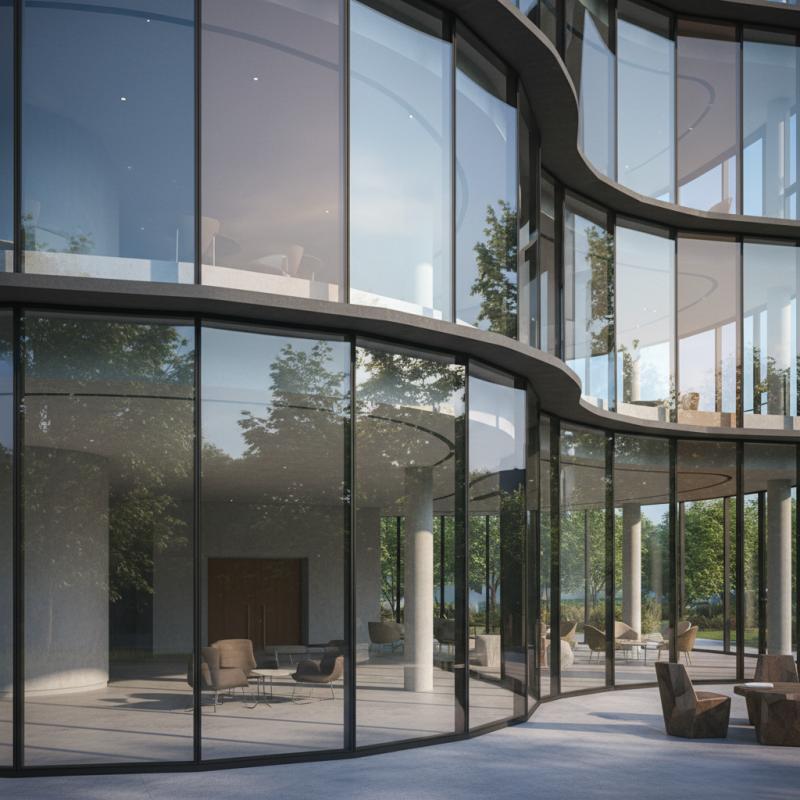
Aesthetic Appeal: The Role of Tinted Glass in Modern Architectural Design
Colored tinted glass has gained popularity in modern architectural design.
Its aesthetic appeal is undeniable. With shades ranging from deep blues to soft greens, tinted glass can transform the appearance of any building.
The right hue can enhance a structure's personality. It can create a serene ambiance or a
vibrant statement, depending on the desire of the architect.
Tinted glass also plays a practical role. It helps regulate temperatures and reduce glare. However, the choice of color should be approached thoughtfully.
Darker tints may limit natural light, potentially making spaces feel smaller.
Architects need to balance aesthetics with functionality. The visual impact is significant, but it must not overshadow the practical requirements of the space.
Moreover, the interplay of tinted glass with light can evoke different moods throughout the day.
As the sun moves, colors shift, adding dynamism to a building. Yet, relying too heavily on color can be risky.
Overuse might lead to a visual overload, distracting from the overall architectural intent.
This complexity requires careful consideration from designers.
Environmental Sustainability: The Recyclability and Carbon Footprint of Tinted Glass
Colored tinted glass offers a considerable advantage in environmental sustainability. It is highly recyclable, which reduces waste. According to the Glass Packaging Institute, recycled glass can save up to 30% in energy consumption during production. This recycling process helps lower the carbon footprint associated with new glass manufacturing.
The carbon emissions related to tinted glass production are significantly lower than many other materials. A study by the U.S. Department of Energy highlights that using recycled glass can decrease greenhouse gas emissions by about 20%. Additionally, tinted glass contributes to energy efficiency in buildings. It helps regulate indoor temperatures, thus lowering reliance on heating and cooling systems. This further minimizes energy consumption.
Tip: When selecting tinted glass, consider its recyclability. Opt for suppliers that prioritize sustainable practices. Always check the local recycling regulations to ensure proper disposal and reuse. Remember, even small choices can lead to significant environmental impacts over time.
FAQS
: Tinted glass offers significant impact resistance. It absorbs shocks, reducing the risk of breakage.
A thickness of 4mm to 10mm enhances its structural integrity and durability.
The right tinted glass ensures safety and can effectively withstand various forces.
It filters excessive sunlight, reducing reliance on air conditioning and maintaining comfortable indoor temperatures.
Proper installation is crucial. Improper fitting can compromise durability and increase risks during installation.
It is highly recyclable, which reduces waste and lowers carbon emissions from production.
Yes, darker tints may limit visibility. It's important to balance aesthetics and functionality.
Regular inspections help identify wear or damage, ensuring the longevity of your investment.
Choose suppliers that prioritize sustainability and follow local recycling regulations for proper disposal.
Conclusion
4mm-10mm Colored/Tinted Glass offers a multitude of benefits that make it an excellent choice for modern architectural projects. One of the most significant advantages is enhanced UV protection, which helps in safeguarding interiors from harmful rays while reducing fading of furniture and artwork. Additionally, this type of glass is known for its impact resistance, making it a durable option that can withstand various environmental challenges.
Energy efficiency is another key benefit; 4mm-10mm Colored/Tinted Glass can effectively reduce cooling costs in buildings by minimizing heat gain from sunlight. Aesthetically, it plays a vital role in contemporary design, providing visual appeal and customization options. Moreover, tinted glass contributes to environmental sustainability due to its recyclability and lower carbon footprint, aligning with eco-friendly building practices. Overall, investing in 4mm-10mm Colored/Tinted Glass is advantageous for both function and form in any construction project.

 Guoxin Glass