Choosing the right awning window for your apartment can drastically improve both its aesthetics and functionality. Awning windows are unique. They open outward from the bottom, providing ventilation while keeping rain out. This feature is particularly beneficial for urban dwellers who want fresh air without compromising privacy.
When selecting an awning window for your apartment, consider the architecture of your building first. The design should complement your space and enhance its overall appeal. Also, think about energy efficiency. Well-insulated windows can help reduce heating and cooling costs, making them a practical choice.
It’s important to reflect on your needs. Are you looking for maximum light, or do you prioritize security? Each choice comes with trade-offs. You may have preferences that aren’t easily met. Balance your aesthetic desires with practical functions for the best outcome. Each decision should align with your lifestyle and complement your apartment's environment.
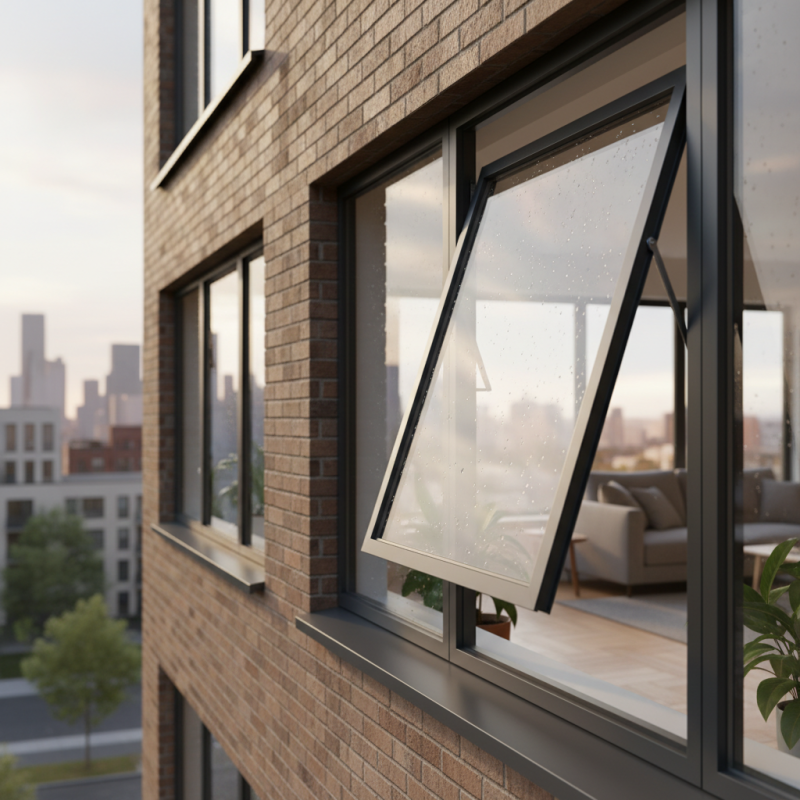
When selecting awning windows for your apartment, several factors come into play. One key aspect is the climate in your area. If you live in a region with heavy rain, an awning window is beneficial. It allows for ventilation while keeping rain out. Conversely, in sunnier areas, you may want to consider the window's ability to block UV rays.
Another important consideration is the window's energy efficiency. Look for models with good insulation and double-glazing. These features help reduce energy costs and maintain a comfortable indoor temperature. It's essential to think about your apartment's aesthetics as well. Choose a style and color that complements your decor while reflecting your personal taste.
Don’t overlook the installation process. Improperly fitted windows can lead to leaks and drafts. Hiring an experienced professional can add to the overall cost, but it may save you from future regrets. If your building has restrictions on alterations, ensure your choice complies with those regulations. Choosing the right awning window is not just about looks; it requires careful thought and planning.
This chart illustrates the energy efficiency ratings (U-Value) of different types of awning windows. A lower U-Value indicates better insulation, helping to maintain indoor temperature and reduce energy costs in apartments.
Awning windows offer several advantages for apartment living. They are hinged at the top and open outward, which allows fresh air into the space while keeping rain at bay. This feature is highly beneficial for those living in urban environments. Residents can enjoy ventilation without fear of water damage. The design maximizes air circulation, promoting a healthy indoor atmosphere.
Another benefit is the unobstructed view. Awning windows create a seamless connection between indoor and outdoor spaces. This is crucial for small apartments that need to feel more open. Natural light floods in, brightening the living area. Additionally, these windows provide privacy. They can be installed higher on the wall, making it difficult for outsiders to see inside.
Energy efficiency is also a strong point. When closed, awning windows fit snugly into their frames. This reduces air leaks and can lower energy bills. Proper insulation around these windows adds to their effectiveness. However, it’s essential to choose the right size and style. A poorly fitted window may not perform as expected, leading to discomfort. Consideration of these factors can enhance the overall living experience in an apartment.
When selecting the right awning window for your apartment, understanding materials and durability is crucial. Awning windows are available in various materials, each offering distinct advantages. Vinyl, for instance, is a popular choice due to its resistance to moisture and low maintenance requirements. According to industry research, vinyl windows can last up to 30 years when properly installed. However, they may not provide the same aesthetic appeal as wood or aluminum frames.
Wooden awning windows offer a classic look but require regular upkeep. They can last long, yet exposure to moisture can lead to rot. An important report by the National Association of Home Builders highlights that untreated wood can degrade significantly in humid climates. On the other hand, aluminum provides lightweight strength. It resists shrinking, swelling, and warping. However, its thermal performance is often lower compared to vinyl.
Choosing the right material depends on many factors, including budget and desired aesthetics. Durability varies, so expect trade-offs. While vinyl promises ease of use, it might not appeal to everyone’s taste. Understanding these nuances in material performance will help you make a more informed decision for your apartment awning windows.
When choosing an awning window for your apartment, energy efficiency is crucial. Awning windows can provide excellent insulation when installed correctly. According to the Department of Energy, well-sealed windows can reduce energy costs by up to 25%. This statistic highlights their importance in maintaining a comfortable indoor temperature.
Selecting the right materials also influences energy efficiency. Low-emissivity (Low-E) glass can block a significant amount of heat. Additionally, multiple glazing options can enhance insulation. For instance, double or triple glazing substantially minimizes heat loss during winter and heat gain in summer.
Tips: Consider the U-factor of your window. A lower U-factor indicates better insulation. Also, inspect the window's sealing mechanism and frame materials. These factors affect air leakage, which can undermine energy efficiency. Regular maintenance is essential too; even small gaps can lead to increased energy bills.
Choosing the best awning window requires balancing aesthetics and functionality. Reflect on your climate needs and consider long-term savings. While upfront costs may vary, investing in energy-efficient windows pays off with lower utility bills and a more comfortable living space.
| Attribute | Description | Energy Rating | Insulation Value (U-Value) |
|---|---|---|---|
| Frame Material | Common materials include vinyl, aluminum, and wood. Each has different thermal properties. | Varies by material: Vinyl (A), Aluminum (C), Wood (B) | Vinyl (0.30), Aluminum (0.50), Wood (0.25) |
| Glazing Options | Double glazing provides better insulation than single glazing. | Single Glazed (D), Double Glazed (A) | Single (0.50), Double (0.30) |
| Energy Efficiency | Look for windows with low U-values and high energy ratings. | High (A+), Moderate (C), Low (E) | A+ (0.20), C (0.40), E (0.60+) |
| Installation Type | Proper installation greatly affects insulation and energy efficiency. | Professional (A), DIY (C) | Professional (0.25), DIY (0.45) |
Choosing the right awning window for your apartment involves an understanding of both aesthetics and functionality. Awning windows, characterized by their hinged tops, can enhance the visual appeal of your space. They allow for fresh air to circulate while keeping rain outside. When selecting styles, consider how the window design complements the apartment's architecture. Traditional styles may work well in older buildings, while sleek, contemporary designs suit modern spaces.
Materials play a vital role in aesthetics. Wood offers warmth and character, while aluminum provides a cleaner look. Color options can also significantly impact your apartment's interior. Neutral tones lend an understated elegance, while bold hues can create a striking focal point. Additionally, consider grid patterns for added visual interest. They can transform standard windows into statement pieces.
However, functionality should not be sacrificed for beauty. Check how the design influences light and privacy. Poorly designed windows may compromise these aspects. It's worth reflecting on how aesthetics interact with practical needs. Balancing these factors ensures your awning windows enhance both style and livability in your apartment.
: Awning windows can be made from vinyl, wood, and aluminum, each with unique advantages.
Properly installed vinyl windows can last up to 30 years, thanks to their moisture resistance.
Wooden windows require regular maintenance and can rot in humid climates if untreated.
Aluminum windows are lightweight and resist warping, but they may not insulate as well as vinyl.
The design can complement apartment architecture and impact light and privacy for residents.
Yes, bold colors can create focal points, while neutral tones offer elegance in design.
Absolutely. Aesthetic choices should not compromise light and privacy in living spaces.
Think about how the style fits your apartment's architecture and your personal taste.
Grid patterns add visual interest and can transform regular windows into statement pieces.
Yes, while some materials offer durability, they may lack in aesthetic appeal or vice versa.
When selecting an awning window for apartment living, there are several crucial factors to consider. These include evaluating the benefits of awning windows, such as their ability to provide ventilation while keeping rain out, making them ideal for urban environments. Additionally, it's essential to look at materials and durability to ensure they withstand various weather conditions, as well as their energy efficiency and insulation properties, which contribute to lower utility bills and greater comfort.
Aesthetic styles and design options are also important, as they can enhance the overall look of your apartment while complementing existing decor. By carefully assessing these aspects, you can choose the best awning window for your apartment that meets your functional needs and matches your personal style.

Guoxin Glass