Choosing the right Fluted Pattern Glass can significantly enhance your project. This type of glass offers both aesthetic appeal and functional benefits, making it a popular choice for various applications. With numerous options available, it’s essential to consider several factors to make an informed decision.
Fluted Pattern Glass can vary in texture, color, and thickness. Each characteristic influences how light interacts with the glass. For instance, thicker glass may provide more durability but could alter the visual effect. It’s important to weigh these aspects. The right choice may not always be clear, and testing samples can be crucial.
Understanding the specific needs of your project can guide you. Whether it’s for an interior design project, cabinetry, or architectural features, the right Fluted Pattern Glass will make a difference. Reflect on your vision and consider how this glass will fit into the overall design. The goal is to find a balance between beauty and functionality, acknowledging that perfection is often subjective.
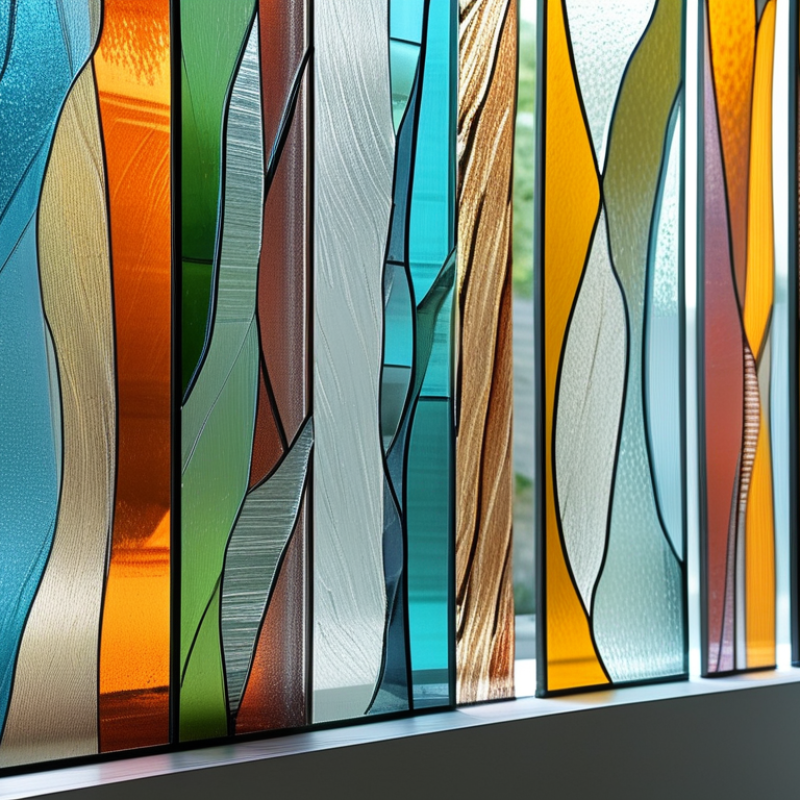
Understanding Fluted Pattern Glass Types and Their Characteristics
Fluted pattern glass is a popular choice for various projects, offering unique aesthetics and functionality. Understanding its types is crucial for making an informed decision. Two primary types of fluted glass are linear and curved patterns. Linear fluted glass features parallel grooves, enhancing light diffusion while maintaining privacy. Curved patterns, on the other hand, create a more dynamic visual effect and can alter perception of space.
Studies show that textured glass can reduce glare by up to 40%, making it ideal for applications in residential and commercial settings. When selecting fluted glass, consider factors such as the width and depth of the grooves. Thicker grooves often provide greater privacy, but may also block more light. It's essential to balance these characteristics based on project requirements.
While fluted glass offers many benefits, it's important to reflect on its potential drawbacks. The texture can accumulate dust and grime more easily than smooth glass. Cleaning may require more effort, impacting long-term maintenance. Additionally, matching fluted glass with specific design elements can be challenging, requiring careful consideration during the planning phase. By understanding these nuances, you can make a more confident choice for your project.
How to Choose the Best Fluted Pattern Glass for Your Project? - Understanding Fluted Pattern Glass Types and Their Characteristics
| Type |
Characteristics |
Uses |
Thickness |
| Standard Fluted Glass |
Vertical grooves, allows light to diffuse, offers some privacy |
Shower doors, interior partitions |
3mm - 6mm |
| Reeded Glass |
More pronounced grooves, enhances privacy and aesthetic appeal |
Cabinet doors, windows, decorative walls |
4mm - 8mm |
| Frosted Fluted Glass |
Softened light, added privacy, elegant appearance |
Sliding doors, office partitions, decor |
4mm - 10mm |
| Colored Fluted Glass |
Variety of colors, vibrant appearance, unique effect |
Art installations, windows, custom designs |
3mm - 6mm |
Identifying the Right Application for Fluted Pattern Glass
When selecting fluted pattern glass, understanding its applications is crucial. This type of glass provides both aesthetic appeal and functionality. Its textured surface diffuses light while maintaining privacy. This makes it suitable for applications like bathroom windows or interior partitions where light is necessary, but visibility is not.
Choosing the right type involves assessing your project's specific needs. For example, consider the space's overall design, the amount of natural light, and the desired privacy level. Fluted glass comes in various patterns and thicknesses. Some designs enhance visibility, while others obscure it more effectively. Reflecting on these factors ensures you select the best fluted glass for your context.
It is also important to take into account potential drawbacks. Fluted glass can be prone to scratches and fingerprints. These factors might affect its long-term appearance and elegance. Evaluating maintenance requirements helps determine whether this glass aligns with your expectations. Always weigh aesthetic desires against practical needs for the most relevant application.
Evaluating Aesthetic Considerations in Fluted Glass Design
Evaluating aesthetic considerations in fluted glass design involves examining texture, patterns, and light interaction. Fluted glass features vertical grooves, enhancing visual depth. This unique pattern offers a sophisticated feel to interior spaces. The tactile experience is equally significant. According to design experts, textured surfaces can engage occupants more effectively than flat glass.
Color plays a crucial role in the overall effect. Different shades can evoke distinct moods. For instance, light tints create an airy atmosphere, while darker hues lend warmth. A study by the Color Marketing Group found that color selection has a psychological impact on people. Considering how fluted textures interact with color is vital for achieving desired aesthetics.
Lighting further enhances the beauty of fluted patterns. When backlit, these designs create mesmerizing effects. Depending on the light source, the grooves can cast intriguing shadows. However, not all lighting setups pair well with fluted glass. There can be challenges in achieving the perfect balance. It’s essential to test different combinations to see what resonates with your vision.
Aesthetic choices in fluted glass are nuanced. The interplay between texture, color, and light can lead to stunning results or unsatisfactory outcomes. Being mindful of these considerations is essential for creating an impactful design.
Assessing Durability and Maintenance Requirements of Fluted Glass
Fluted glass is not only visually appealing but also demands careful consideration regarding its durability and maintenance. According to a report by the Glass Association, fluted glass is generally resistant to scratches and wear, making it suitable for high-traffic areas. However, it can be prone to staining if not properly maintained. Regular cleaning with non-abrasive materials is crucial to avoid etching.
The maintenance of fluted glass varies significantly by type and finish. For instance, untreated or clear glass may require more frequent maintenance compared to tempered or coated options. A study published by the American Architectural Manufacturer's Association indicates that coated fluted glass can reduce the frequency of cleaning by up to 30%. However, these coatings can wear over time, necessitating periodic assessments and potential reapplication.
Choosing the right type of fluted glass involves weighing these durability aspects carefully. Some installers report that while thicker glass is more durable, it may also lead to increased installation costs. The selection process should consider specific project needs and the balance between aesthetic appeal and long-term durability. Staying informed about the latest developments in glass technology can greatly benefit project outcomes.
Comparing Cost and Availability of Different Fluted Glass Options
When considering fluted pattern glass, cost and availability are crucial factors. Reports indicate that prices for fluted glass can range significantly, with basic options starting around $5 per square foot. Specialty types, like those with enhanced designs, might exceed $15 per square foot. Market trends show that while demand for decorative glass remains steady, lead times can vary. Most suppliers need two to four weeks for standard products, but custom orders may take months.
Availability also depends on region and supplier. In urban areas, various options may be easier to access. Certain patterns might be more prevalent depending on local design trends. Fluted glass can be sourced from local retailers or online platforms. However, buyers should factor in shipping fees, especially for larger orders. Not all suppliers stock an extensive range of fluted patterns, which could lead to project delays.
Understanding these dynamics helps consumers make informed decisions. Research into suppliers reveals that some can offer better availability due to established partnerships. Yet, the need for customization can lead to quality discrepancies. Consumers may find themselves weighing cost against the desired aesthetic. Balancing these elements requires thorough market exploration and consideration of project timelines.
FAQS
: Two main types are linear and curved patterns. Linear features parallel grooves. Curved creates dynamic visuals.
Fluted glass can reduce glare by up to 40%. This is useful for homes and commercial spaces.
Consider groove width and depth. Thicker grooves offer privacy but block light more effectively.
Yes, textured surfaces can attract dust and grime. Cleaning may require effort, impacting its long-term appearance.
It's suitable for places needing light and privacy, like bathroom windows or interior partitions.
Prices range from about $5 to over $15 per square foot, depending on design complexity.
Availability varies by region and supplier. Urban areas often have more options than rural locations.
Yes, it can be more susceptible to scratches and fingerprints. This may affect its visual appeal over time.
Fluted glass can affect privacy and light balance. It's crucial to weigh aesthetic needs against practical limitations.
Yes, custom orders might take longer, sometimes requiring months for production and shipping.
Conclusion
Fluted Pattern Glass is a versatile material that can enhance both the aesthetic appeal and functionality of various projects. This article explores the different types of fluted pattern glass, emphasizing their unique characteristics and potential applications. Understanding where to effectively utilize fluted glass is key, as it can serve both decorative and practical purposes in architectural and design contexts.
Additionally, considerations such as durability, maintenance, and cost implications are critical when selecting the right type of fluted pattern glass. Evaluating these factors ensures that the chosen glass not only fits the design vision but also meets performance requirements over time. With the right insights, you can confidently choose the best fluted pattern glass for your specific needs.

 Guoxin Glass