When selecting Double Glazed Glass Insulated Glass for your home or business, understanding its benefits and features is crucial. Industry expert John Smith, a renowned glass technician, states, "The right insulated glass can drastically improve energy efficiency." This insight highlights the importance of making an informed choice.
Double Glazed Glass Insulated Glass is not just about aesthetics. It plays a vital role in insulation and energy conservation. Many consumers overlook how different thicknesses and gas fills impact performance. Each detail can alter heat retention or soundproofing capabilities.
The market offers numerous options, yet not all are created equal. While one might find products that look appealing, their efficiency can fall short. Considering factors such as climate and location can lead to better decision-making. Remember, the right choice today can lead to long-term benefits, ensuring comfort and savings in the future.
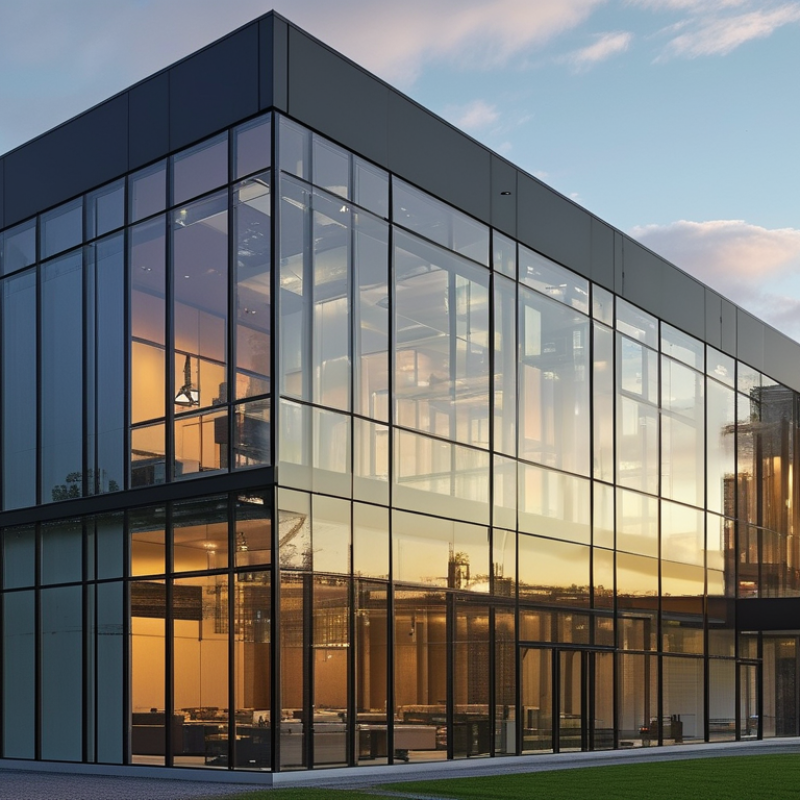
Double glazed glass, also known as insulated glass, is designed to enhance energy efficiency in homes and commercial buildings. This type of glass consists of two panes with a space in between, often filled with gas. According to the Department of Energy, double glazing can reduce heat loss by 30%. This is particularly beneficial in climates with extreme temperatures.
Choosing the right double glazed glass can significantly affect your energy bills and comfort. Look for products with a low U-value, which indicates better insulation. The ideal U-value for residential windows is below 1.1 W/m²K. Additionally, consider the solar heat gain coefficient (SHGC). Lower SHGC values keep homes cooler in warm climates.
Invest in high-quality materials to maximize durability. For instance, consider frames made of fiberglass or aluminum. These materials provide longevity and better performance compared to wood. Analyze the potential condensation issues that can arise with poor quality glazing; this can lead to moisture buildup inside your windows.
Experiment with different configurations of spacers and gas fills. For example, argon-filled glass usually offers superior insulation compared to air. Don't hesitate to consult professionals for personalized recommendations. Their expertise can guide you effectively, ensuring you make a well-informed decision based on your specific needs.
When selecting insulated double glazed glass, several key factors should be carefully evaluated. The thickness of the glass plays a significant role. A thicker glass can provide better insulation, reducing energy loss. According to the U.S. Department of Energy, using double glazing can cut heat loss by 50% compared to single glazing. Choosing the right thickness can further enhance these energy savings.
Another important consideration is the gas filling between the panes. Argon or krypton are often used as they provide superior insulation compared to air. Studies show that using argon can improve thermal performance by up to 20%. Additionally, low-emissivity (Low-E) coatings can significantly enhance energy efficiency. These coatings reflect heat back into the room, ensuring warmer interiors during winter.
Finally, climate plays a critical role in the selection process. If you live in a colder area, prioritize higher thermal performance. Conversely, warm climates may require glass that reflects solar heat. It's essential to assess your geographical needs carefully. Remember, the best choice often requires balancing cost with performance. Being informed will lead to better long-term results.
When selecting double glazed glass, understanding the types available is crucial. Generally, double glazed glass consists of two glass panes separated by an inert gas. This setup enhances thermal insulation significantly. According to the Glass and Glazing Federation, double glazing can reduce heat loss by up to 40%. This is impressive when energy efficiency is a priority.
Several types of double glazed options exist. Low-E (low emissivity) glass has a special coating that reflects heat back into the room. This can improve energy efficiency by about 30%. Argon gas-filled units provide better insulation than standard air-filled ones. Studies suggest that argon can enhance thermal resistance by 20%.
Other variations include laminated glass, which adds safety features while improving sound insolation. However, while these advancements are beneficial, they come at a higher cost. Budget constraints may influence choices. The market offers a wide range of styles and functionalities, making informed decisions paramount. Consider your specific needs and local climate when selecting the appropriate type.
When selecting double glazed insulated glass, evaluating energy efficiency ratings is crucial. These ratings help you understand how well the glass conserves energy. Look for metrics such as U-value and Solar Heat Gain Coefficient (SHGC). A lower U-value indicates better insulation, meaning less heat loss in winter and reduced heat gain in summer. This can lead to lower energy bills.
Consider the climate of your area. In colder regions, prioritize glass with low U-values. In warmer climates, focus on maximizing SHGC to reduce cooling costs. Be mindful that sometimes high SHGC might be beneficial for passive solar heating. However, this can lead to overheating in hot months.
Selecting double glazing requires careful thought. Energy ratings are a starting point. Personal needs and local weather also matter. Don’t overlook the frame materials. The best glass can underperform with poor frames. While you may want to rely solely on energy ratings, they should complement your overall choice for maximum effectiveness. Make informed decisions by assessing all components together.
| Type of Glass | U-Value (W/m²K) | Solar Heat Gain Coefficient (SHGC) | Visible Transmittance (% VT) | Noise Reduction Index (dB) |
|---|---|---|---|---|
| Standard Double Glazing | 2.8 | 0.4 | 75 | 32 |
| Low-E Glass | 1.6 | 0.3 | 70 | 35 |
| Triple Glazing | 0.9 | 0.5 | 67 | 38 |
| Acoustic Glass | 1.8 | 0.4 | 72 | 42 |
When choosing double glazed glass insulated glass, installation and maintenance play crucial roles in ensuring longevity. Proper installation can significantly enhance the energy efficiency of your windows. According to a report from the Department of Energy, well-installed double glazing can reduce energy costs by 20-30%. Ensuring a proper seal during installation prevents air leaks, which are vital for maintaining thermal insulation.
Regular maintenance also contributes to long-lasting performance. Cleaning the glass with non-abrasive solutions helps maintain clarity and prevents cloudy accumulation. Check seals and frames for any gaps or moisture buildup. Addressing these issues early can prevent bigger problems.
Routine assessments can keep your windows in top condition. Consider rechecking seals annually, as they can wear over time. Ensure that gutters and drains are clear to prevent water damage. Being proactive can save significant costs in the long run. The lifespan of double glazing typically hovers around 20 years, provided that proper care is taken. Don't wait until you notice condensation between panes; it may indicate a failed seal.
: Double glazed glass consists of two panes with a gas-filled space, enhancing energy efficiency in buildings.
It can reduce heat loss by up to 40%, particularly beneficial in extreme climates.
A low U-value, below 1.1 W/m²K, indicates better insulation, impacting energy bills and comfort.
Fiberglass or aluminum frames are recommended for durability and performance over wood.
Yes, high-quality glazing minimizes moisture buildup, reducing potential condensation issues.
Argon gas-filled glass offers better insulation compared to air, enhancing thermal resistance.
Yes, options include Low-E glass, argon filled, and laminated glass, each with unique benefits.
Laminated glass improves sound insulation and adds safety but may be more expensive.
Consider your specific needs, budget, and local climate while making a decision.
Yes, professionals can offer personalized recommendations based on your circumstances and needs.
Double Glazed Glass Insulated Glass is an efficient solution for enhancing energy efficiency and comfort in homes and buildings. This type of glass consists of two panes separated by a space filled with gas, which minimizes heat transfer and reduces noise. Understanding the benefits of double glazing, such as better insulation and lower energy bills, is crucial when considering this option.
When choosing Double Glazed Glass Insulated Glass, several factors come into play, including overall energy efficiency ratings, the specific types of glass available, and the installation and maintenance requirements. Evaluating the various types on the market ensures that homeowners select the best fit for their needs, while proper installation and maintenance techniques are essential for ensuring long-lasting performance. With the right choice, double glazing can significantly improve living conditions and contribute to lower energy consumption.

Guoxin Glass