In an apartment, a window has to work around real constraints: a narrow room, a close neighboring building, or a balcony just beyond the glass. An awning window is hinged at the top and opens outward, which can provide ventilation while shielding the opening from light rain. But its outward swing may conflict with a balcony, walkway, or exterior screen. Measure the space before comparing styles.
Choosing the best Awning Window For Apartment means balancing airflow, daylight, privacy, weather protection, and clearances. The U.S. Department of Energy reports that windows account for about 25–30% of residential heating and cooling energy use. That estimate covers windows generally; it does not prove that awning models automatically save energy. Check the National Fenestration Rating Council label for U-factor and solar heat gain coefficient, then compare products for your climate and orientation. Small numbers matter.
Building scientist Dr. Joseph Lstiburek’s guiding phrase is, “A building is a system.” It is a useful reminder: a window’s performance depends on the frame, glass, installation, shading, and ventilation together. Even a well-rated unit can disappoint if it leaks air or blocks a needed escape route. Ask the property manager about installation limits, and consider how far the sash projects outside. There is no perfect choice. A careful measurement, product label, and honest look at the room will usually beat a glossy brochure.
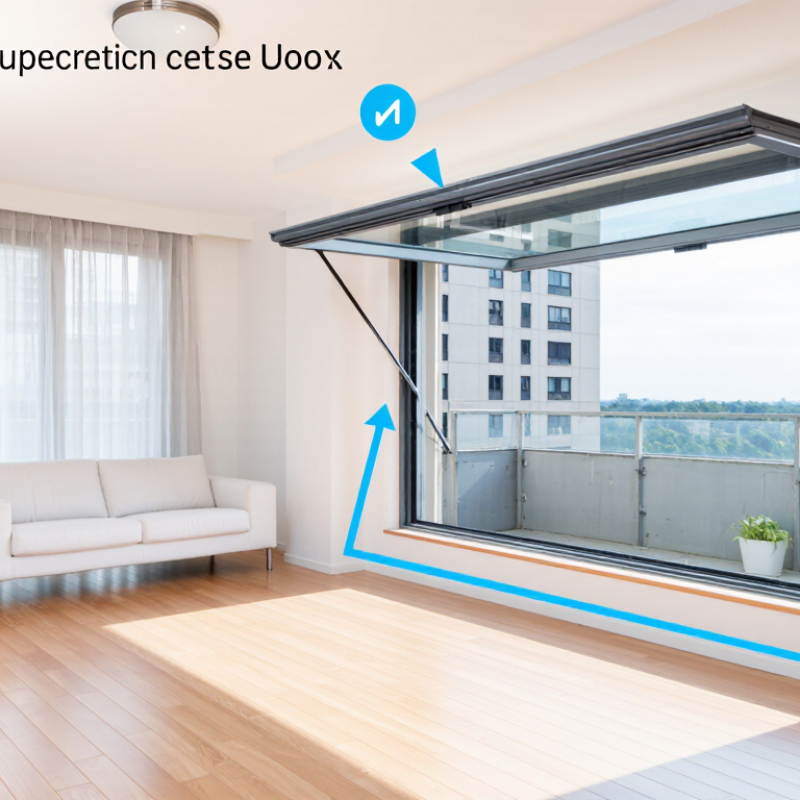
An awning window is hinged at the top and opens outward from the bottom. A crank mechanism controls the sash with steady, gradual movement. This design creates a small canopy effect during light rain. Fresh air can enter while the glass helps block falling water.
In an apartment, placement matters more than appearance. A bathroom awning window can release steam without exposing the entire room. In a kitchen, it can remove cooking odors near a sink or counter. The opening should not interfere with walkways, balconies, neighboring walls, or exterior maintenance access. Always check building requirements before choosing the size and location.
Sealing quality is critical. Look for compressed weatherstripping, secure locking points, and smooth crank operation. A loose handle can make the window difficult to close tightly. That detail is easy to overlook. A removable insect screen also improves daily comfort, especially on lower floors. However, screens can reduce airflow when they collect dust.
I once underestimated how strongly wind affects an outward-opening sash. A gentle breeze felt harmless, yet the sash moved sharply during a sudden gust. This is why apartment residents should consider exposure, floor height, and nearby structures. Awning windows provide useful ventilation, but they are not ideal for every opening. For emergency escape needs, confirm that another suitable window or exit meets local requirements.
How to Choose the Best Awning Window for an Apartment?
Assess Ventilation, Space, and Building Requirements
An awning window opens outward from the bottom, allowing ventilation during light rain. In apartment rooms, that detail matters. A practical site check should record sill height, furniture clearance, and the opening direction. A sofa placed beneath the handle can make daily operation frustrating. Awning windows also suit narrow corridors because the sash projects outward, not into the room. However, projecting hardware may conflict with balconies, walkways, or neighboring façades.
Ventilation needs more than a large opening. ASHRAE Standard 62.2 addresses whole-home airflow, while an operable window provides only intermittent ventilation. Cross-breezes depend on room layout and wind exposure. They are not reliable in every season. The U.S. Department of Energy reports that windows can represent about 25% to 30% of residential heating and cooling energy use. Select low U-factor glazing for colder climates, and check solar heat gain control in warmer apartments. NFRC ratings provide a consistent way to compare these values.
Building requirements can narrow the choice quickly. Confirm condominium rules, façade approvals, exterior projection limits, and fire-safety provisions before ordering. Local codes may require specific opening sizes for emergency escape. Wind exposure also deserves attention on upper floors. A window that feels secure on the third floor may need stronger specifications much higher up. I would not rely on sales drawings alone. Measure the masonry opening, inspect the frame condition, and ask for documented performance data. Mistakes here are expensive.
Compare how an awning window addresses ventilation, space, and building requirements.
The 1–5 scores are a qualitative planning guide, not measured product-performance data. Awning windows are hinged at the top and open outward, so check exterior clearance, local building rules, and any apartment or homeowners’ association requirements before choosing one.
Choosing an awning window for an apartment starts with the frame, not the color. In renovation projects, I have compared vinyl, aluminum, and fiberglass frames beside real samples. Vinyl usually costs less and resists moisture, but thick profiles can reduce visible glass. Aluminum looks slim and modern, yet it conducts heat unless it includes a thermal break. Fiberglass stays stable through seasonal changes and supports larger panes, though its higher price can strain a modest budget. Check wall depth, drainage, and the building’s approved window requirements before ordering. A beautiful frame is useless if the opening is measured incorrectly.
Glazing controls comfort more than many buyers expect. Double glazing with low-emissivity coating can reduce winter heat loss and limit cold glass near a sofa. In a sunny upper-floor room, solar-control glass may reduce glare, but it can also darken the space. Ask for the whole-window U-factor and solar heat gain coefficient, not only the center-glass figures. Tempered or laminated glass may improve safety, depending on location and local requirements. I once underestimated afternoon reflections in a west-facing room. The sample looked clear indoors, but the installed pane felt harsh at 4 p.m.
Hardware deserves a hands-on check. The crank should open smoothly without scraping the frame, and the locking points should pull the sash evenly against its seals. Stainless or corrosion-resistant components suit humid kitchens and bathrooms. A restricted opening device may be appropriate for higher floors, but it must not prevent emergency egress where required. Ask how seals, operators, and screens can be replaced after installation. Some low-cost mechanisms feel fine on day one and become stiff later. Test the window several times, then inspect the corners for light, drafts, or uneven compression.
Choosing an awning window for an apartment starts with safety, not appearance. An awning sash opens outward from the bottom. This design can improve airflow during light rain. Yet it may project over a walkway, balcony, or neighboring space. Check the opening limit, hardware strength, and emergency escape requirements before ordering. A child-safe restrictor may help, but it must not prevent required exit access. In older buildings, these details are easy to miss.
Weatherproofing depends on more than glass. Ask for tested air leakage, water resistance, and wind performance. Inspect the frame corners and drainage paths. Poor drainage can leave dark stains on an interior sill after one storm. Low-emissivity glass can reduce heat gain, but orientation matters. A west-facing room may still become hot in late afternoon. Weather seals should compress evenly, without gaps or stiff sections. Do not assume a thicker frame fixes every problem.
Installation conditions deserve equal attention. Measure the opening in several places, since apartment walls are rarely perfectly square. Confirm whether the exterior wall needs a lift, scaffold, or building approval. Sealant, flashing, and sill support should follow the window maker’s tested method. A neat bead of caulk is not a complete installation. I would also ask who repairs damage to interior trim. This question feels minor until plaster cracks. If the window is difficult to reach, plan cleaning and future hardware service before installation. A little doubt here is useful; rushed confidence can become a draft, leak, or unsafe opening.
An awning window can suit an apartment, but the right choice depends on your budget and maintenance plans. Start with the complete cost, not only the window price. Include delivery, installation, interior repairs, insect screens, and possible frame adjustments. A low quote may exclude important work.
Choose materials that match your building’s exposure. Powder-coated metal frames usually need little upkeep, while timber frames require regular sealing and repainting. Vinyl frames can be practical, but their quality varies between products. Ask for written details about glazing, hardware, drainage, warranties, and replacement parts. These details protect your budget later.
Maintenance access matters in high-rise apartments. Select an awning window with reachable hinges and simple locking hardware. Inspect weather seals every year. Clean the frame channels after heavy rain. Remove dust from the hinge area with a soft brush, not a sharp tool. Small failures become expensive when ignored.
Think about daily use. A smooth handle is valuable when the window sits above a kitchen sink or behind furniture. In humid rooms, good ventilation can reduce condensation, but it cannot fix every moisture problem. Poor installation may cause drafts, even with an expensive window. Ask a qualified installer to check the opening, wall condition, and building requirements before ordering.
I would not choose the cheapest option automatically. That judgment can be wrong. A slightly higher initial cost may reduce repairs, repainting, and energy loss over time. Still, expensive features are not always useful. Compare real maintenance needs with your apartment’s location, access, and long-term plans.
It is hinged at the top and opens outward from the bottom. A crank moves the sash gradually.
Often, yes. Its outward-opening sash can act like a small canopy, though strong wind may push it sharply.
In a bathroom, it can release steam without opening the whole room. Near a kitchen sink, it can help clear cooking odors.
Check nearby walkways, balconies, walls, and maintenance access. The sash should not obstruct people or outdoor spaces.
Look for even weather seals, secure locks, clear drainage paths, and tested resistance to air, water, and wind. Dark sill stains can follow poor drainage.
They can improve comfort, especially on lower floors. Dust buildup may reduce airflow. Easy to overlook.
Include delivery, installation, screens, frame adjustments, and interior repairs. A low quote may leave out important work.
Inspect seals yearly and clear frame channels after heavy rain. Use a soft brush around the hinges, not a sharp tool.
Not necessarily. Compare materials, hardware access, and expected upkeep with your apartment’s exposure. I might still miss a detail.
Choosing the best Awning Window For Apartment living requires balancing airflow, available space, building rules, and everyday practicality. Because these windows open outward from the bottom, they can provide ventilation even during light rain, but their projection must not interfere with balconies, walkways, neighboring units, or exterior safety requirements. Consider the room’s size, window placement, emergency access needs, and any approval required by the property manager or local regulations.
Frame materials, glazing, and hardware also affect performance, appearance, and long-term value. Durable frames and energy-efficient glass can improve comfort, while secure, easy-to-operate hardware supports daily use. Pay close attention to weatherproof seals, drainage, installation quality, and maintenance access to help prevent drafts and moisture problems. Finally, compare the complete cost, including installation and future upkeep, rather than focusing only on the purchase price. The right window should suit your budget while offering reliable ventilation, safety, durability, and a practical maintenance plan.
Guoxin Glass