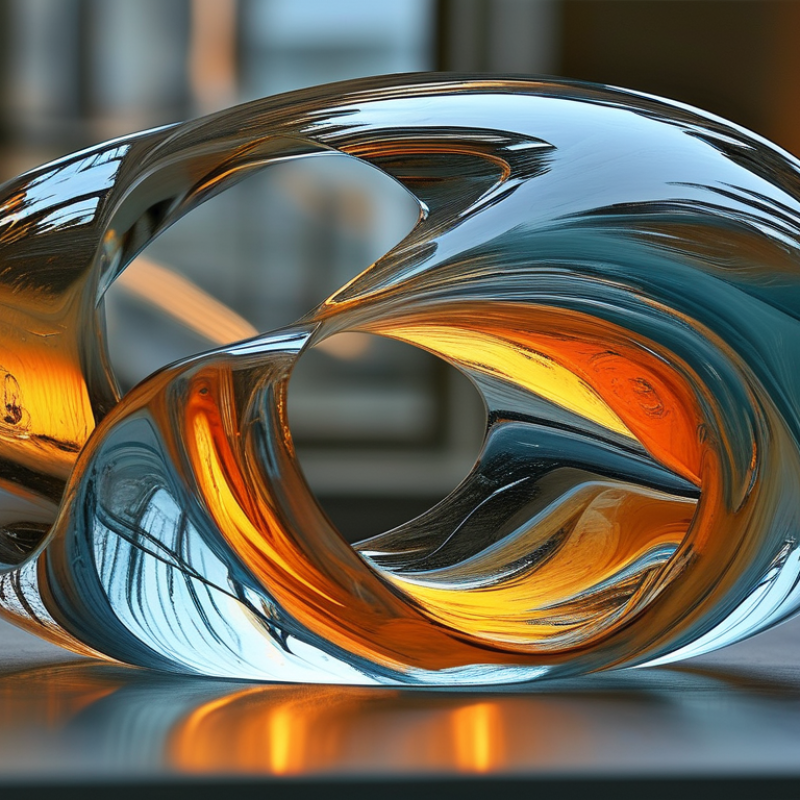
Curved Bent Glass is a fascinating material that blends aesthetics with functionality. It offers unique design possibilities for architects and designers alike. The versatility of this glass makes it suitable for various applications, from stunning building facades to interior designs.
The process of creating Curved Bent Glass involves heating, bending, and cooling. This technique requires great skill and precision. Experts in glass manufacturing often face challenges during production. Achieving the perfect curve can sometimes lead to imperfections, pushing craftsmen to remain vigilant and innovative.
Designers appreciate Curved Bent Glass for its ability to enhance spaces. The gentle curves can soften harsh lines, creating more inviting environments. However, its installation can be complicated, necessitating specialized knowledge. Understanding how to integrate this material effectively is crucial for lasting results.
What is Curved Bent Glass?
Curved bent glass refers to glass that has been shaped through heating and bending processes. This type of glass has unique properties that allow it to be molded into various forms. It is commonly used in architectural applications, particularly for facades and windows. Curved glass provides aesthetic appeal, enhancing the overall design of buildings. According to recent industry reports, the global curved glass market is expected to grow at a CAGR of over 6% from 2023 to 2028.
The bending process of the glass usually involves achieving high temperatures to allow flexibility. This precision requires skilled craftsmanship, as irregularities can occur if not monitored closely. While many manufacturers have adapted to automated processes, human expertise remains essential in achieving high-quality results. The need for quality control is paramount, as slight imperfections can detract from the glass's visual impact and structural integrity.
Architects often favor curved glass for its ability to create seamless design lines and striking visual effects. However, challenges exist, such as the potential for increased costs and installation difficulties. Despite these drawbacks, the benefits of using curved glass in modern construction continue to drive interest. In a recent survey, architects reported that 72% consider curved glass a valuable element in innovative designs.
The Process of Manufacturing Curved Bent Glass
Curved bent glass is a fascinating material. The manufacturing process requires precision and expertise. From the beginning, the glass is heated until it becomes malleable. Next, skilled workers shape it into curves. This step needs attention to detail and consistency. Too much heat can distort the glass, leading to imperfections.
After shaping, the glass must be cooled gradually. This process, known as annealing, reduces internal stresses. If not done correctly, the glass can fracture later on. Experts monitor the cooling process closely, as it is essential for durability and stability.
Tips: When considering curved bent glass for a project, communicate clearly with your manufacturer. Discuss design specifications and tolerances. This ensures that the final product meets your standards. Pay attention to installation methods as well. Improper installation can lead to damage.
The entire process is complex and requires experience. Each step has its challenges. Not every attempt results in a flawless product. Reflection on past experiences can improve future endeavors. That's key in the world of glass manufacturing.
Applications of Curved Bent Glass in Architecture
Curved bent glass is becoming increasingly popular in architecture. Its unique shapes contribute to both aesthetics and functionality. According to a 2022 industry report, the global market for bent glass is projected to grow at a CAGR of 5.3% through 2028. This growth is driven by the rising demand for innovative designs in residential and commercial buildings.
Architects utilize curved bent glass for facades, window designs, and skylights. For example, large curved glass panels can create stunning visual effects that interact with natural light. They also help reduce energy costs by optimizing insulation. A study from the Glass Association revealed that buildings using curved glass can see up to 30% improvement in energy efficiency.
However, working with curved glass presents challenges. The fabrication process can be costly and time-consuming. Some architects may overlook the impact of curvature on structural integrity. Balancing design with functionality requires careful consideration. Despite these challenges, the enduring elegance of curved bent glass continues to inspire innovative architectural solutions.
Applications of Curved Bent Glass in Architecture
Curved Bent Glass in Automotive Industry
Curved bent glass is gaining traction in the automotive industry, particularly for its aesthetic and functional advantages. This specialized glass is used in vehicle windshields and windows, offering superior aerodynamics. According to a report by Research and Markets, the automotive glass market is projected to reach $33.66 billion by 2025. This growth reflects the rising demand for lightweight, durable materials that enhance vehicle performance.
The automotive sector utilizes curved bent glass for various applications, helping to improve safety and comfort. For instance, these glass panels can increase visibility and reduce wind noise while driving. In certain models, the integration of curved glass leads to a sleeker design, which appeals to consumers. However, manufacturing this type of glass can be complex. The process requires precision, and even minor flaws can compromise integrity.
Despite its benefits, challenges remain. The production process can lead to inconsistencies, and sourcing high-quality materials is essential. Additionally, the cost of curved bent glass is often higher than flat glass alternatives. Manufacturers must weigh these factors carefully. As the industry evolves, continuous improvement in technology and processes will determine the future success of curved bent glass in automotive applications.
What is Curved Bent Glass and How is it Used? - Curved Bent Glass in Automotive Industry
| Dimension |
Detail |
| Material |
Tempered glass, laminated glass |
| Thickness |
3mm - 10mm |
| Bending Radius |
Variable; commonly 100mm - 300mm |
| Applications |
Windshields, side windows, instrument panels |
| Benefits |
Aerodynamic efficiency, design flexibility, enhanced safety |
| Manufacturing Process |
Hot bending, cold bending, CNC machining |
Benefits and Challenges of Using Curved Bent Glass
Curved bent glass offers unique aesthetics and functionality in architecture and design. Its use has increased due to the demand for innovative building materials. According to a recent industry report, the market for curved glass is projected to grow at a CAGR of 5.8% over the next five years. This growth stems from rising applications in both residential and commercial spaces.
The benefits of curved bent glass are significant. It allows for more creative design possibilities, enhancing the beauty of structures. Its lightweight nature contributes to easy installation. However, challenges exist. Curved glass requires specialized manufacturing processes, which can increase costs. Durability is also a concern; while curved glass can withstand pressure, it may have vulnerabilities to certain impacts.
Tip: When considering curved glass, evaluate both the design vision and budget. Proper planning can mitigate potential cost overruns.
Installation methods often involve skilled labor. It's crucial to ensure that the installation team is experienced. Improper installation can lead to issues down the line.
Tip: Research and choose professionals who have a track record with curved glass projects. Their expertise can enhance the quality of your installation.
Curved bent glass remains a transformative material. Balancing its benefits and challenges is vital for successful use in any project.
Conclusion
Curved Bent Glass is a specialized type of glass that is manipulated into curved shapes through various manufacturing processes. This technique often involves heating the glass to make it pliable, allowing it to be formed into aesthetically pleasing and functional designs. The manufacturing process typically relies on methods such as furnace bending, cold bending, or lamination to achieve the desired curvature without compromising the glass's structural integrity.
In architecture, Curved Bent Glass is frequently utilized for facades, skylights, and other design elements that require unique shapes and visual appeal. It also plays a crucial role in the automotive industry, where it's used for windshields and windows, providing both design flexibility and enhanced aerodynamics. While Curved Bent Glass offers numerous benefits, including improved aesthetics and functionality, challenges such as fabrication costs and handling concerns need to be addressed for successful implementation in various applications.

 Guoxin Glass