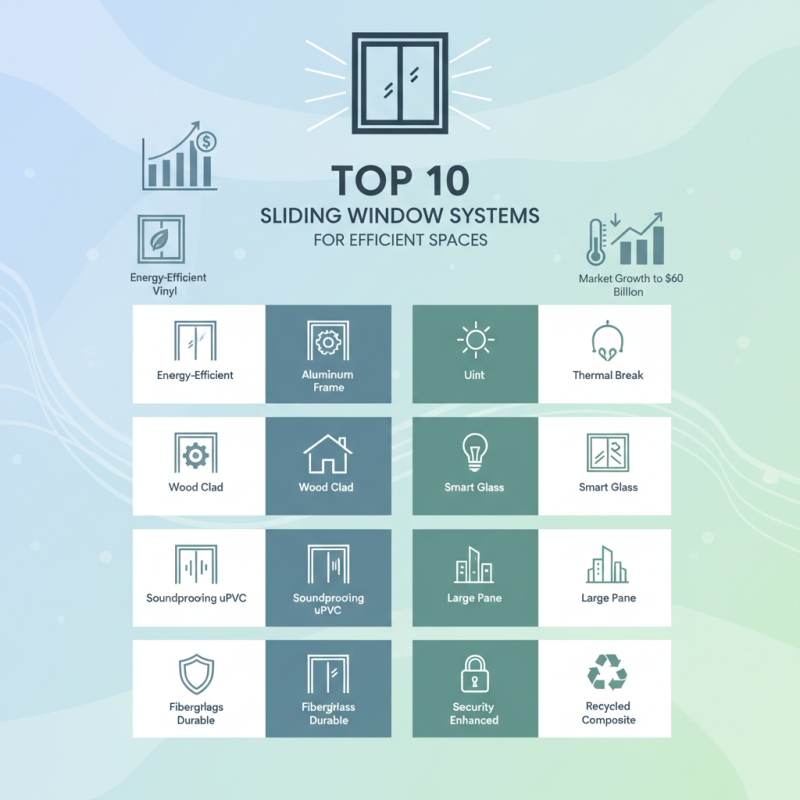
Sliding Window Systems have transformed modern architecture and design. These systems optimize natural light and enhance the aesthetic appeal of spaces. According to a report by MarketsandMarkets, the global sliding window market is projected to reach $60 billion by 2025, driven by rising demand in residential and commercial sectors. However, despite their growing popularity, inefficiencies in installation and maintenance often go unnoticed.
Energy efficiency is a critical factor for homebuyers today. A study by the U.S. Department of Energy indicates that properly installed sliding window systems can reduce energy bills by up to 15%. Yet, many homeowners struggle with the complexities of choosing the right system. Poor choices can lead to thermal leaks and higher energy costs. Understanding the various options available is crucial for creating a truly efficient living space.
As the demand for functional yet stylish solutions grows, innovation within the sliding window systems market continues to evolve. Various materials and designs cater to diverse needs, but not all options are equal. Selecting a system that balances cost, durability, and efficiency requires careful consideration. With the right approach, individuals can significantly enhance their living environments while benefiting from long-term energy savings.
In urban environments, space is a precious commodity. Effective sliding window systems can dramatically optimize available space. According to a report by the Urban Land Institute, efficient window designs can increase natural light, which may reduce energy costs by up to 30%. This is not just about aesthetics; it’s also about functionality and sustainability.
Consider the importance of space management. Sliding window systems allow for seamless transitions between indoor and outdoor areas. By maximizing air flow and light, these systems can improve the overall ambiance. Flexibility is key in smaller living spaces. A well-placed sliding window can transform a cramped room into an airy retreat, enhancing the quality of life for city dwellers.
Tips:
Sliding window systems have gained popularity due to their space-saving benefits and aesthetic appeal. When choosing such systems, several key features enhance usability. One vital aspect is the ease of operation. A smooth sliding mechanism allows users to open and close windows effortlessly. Simple designs often lead to fewer complications and better user experiences, making both daily use and maintenance hassle-free.
Another feature to consider is the choice of materials. High-quality materials not only provide durability but also contribute to energy efficiency. Double or triple glazing can significantly reduce heat loss and ensure comfort throughout the seasons. Furthermore, efficient sealing systems minimize air and water leaks, maintaining a consistent indoor environment. However, not all systems meet these standards, warranting careful selection based on specific needs.
Security features are also paramount. Strong locking mechanisms and shatter-resistant glass can deter potential intruders, adding peace of mind to homeowners. In some instances, aesthetics can take precedence over functionality, leading to inadequate safety measures. It’s essential to balance style and security for overall effectiveness. The integration of design elements should enhance usability without compromising safety.
This chart displays the key features of top sliding window systems rated on a scale of 1 to 10 in terms of usability attributes. The features assessed include ease of use, durability, energy efficiency, cost, aesthetics, noise reduction, security, maintenance, availability, and customization.
Sliding window systems have evolved significantly, thanks to material innovations. These advancements focus on creating spaces that are not just functional but also aesthetic. Modern sliding windows often use lightweight materials like fiberglass and aluminum, which improve energy efficiency. The rise of these materials allows for larger panes and thinner frames, enhancing the overall look of a building.
Recent trends show an increasing interest in sustainable materials. Recycled glass and eco-friendly composites are becoming popular among designers and builders. This shift reflects a growing awareness of environmental impact. However, the durability of these materials needs careful consideration. While they are innovative, some may not yet stand the test of time compared to traditional options.
Statistics indicate a rise in demand for sliding window systems, particularly in urban settings. Homeowners value natural light and open views. However, one must question if all materials used are truly sustainable. The industry faces challenges in balancing aesthetics and durability. Exploring these material innovations can lead to exciting designs, yet the need for quality assurance remains paramount.
When considering sliding window systems, energy efficiency is a key factor. Many homeowners overlook the impact of windows on their energy bills. By selecting a system with high energy efficiency ratings, one can significantly reduce heating and cooling costs. Understanding the ratings can help you make an informed choice.
The performance of sliding windows varies widely. Some systems may claim to be energy efficient but fall short in real-world applications. Look for certifications from established organizations that verify energy performance. Such labeling provides reliable benchmarks for assessment. A system with a low U-factor is typically better at insulating against heat loss. Additionally, systems with a high Solar Heat Gain Coefficient (SHGC) can allow for beneficial sunlight during winter.
Not every sliding window system will fit every space. Poor installation can lead to air leaks, negating the energy efficiency benefits. Reflect on your specific needs and environment. Testing various options can uncover surprising differences in performance. Whether you’re renovating or building, wasting space through ineffective windows is a common issue. Hence, researching various options will lead to more efficient living spaces.
Sliding window systems offer innovative solutions for maximizing small spaces. These systems can efficiently transform areas by allowing natural light and ventilation. They come in various designs that blend functionality and aesthetics. However, the choice of materials and installation can significantly impact cost.
Cost-effectiveness is crucial when choosing sliding windows. Quality materials may elevate initial expenses. Yet, they often lead to long-term savings on energy bills. Maintaining energy efficiency becomes essential. Some cheaper options might not provide the insulation required, resulting in higher heating and cooling costs.
When evaluating these systems, potential buyers should reflect on their unique needs. Aesthetics should complement the overall design of the space. Functionality should not be overlooked, affecting ease of use. While cost matters, investing in reliable solutions fosters peace of mind. Consideration of local weather conditions plays a role in selecting appropriate materials.
: They optimize space and improve natural light in urban environments.
They may reduce energy costs by up to 30% through better insulation.
Different materials influence energy efficiency, aesthetics, and durability.
Ensuring correct sealing minimizes drafts and improves noise reduction.
Some new materials may lack durability compared to traditional options.
They provide airflow and light, making cramped areas feel more open.
Consider aesthetics, functionality, and local weather conditions.
It prevents operational issues and extends their lifespan.
Some materials may claim to be eco-friendly but require careful evaluation.
Initial quality may be higher, but long-term energy savings can offset costs.
Sliding Window Systems have become increasingly important for optimizing space in urban environments, where efficient use of limited areas is critical. The article explores the top sliding window systems, highlighting key features that enhance usability, such as ease of operation and versatility in design. Material innovations are also discussed, showcasing trends and statistics that underline advancements in strength and aesthetics, which contribute to their growing popularity.
Energy efficiency is another vital aspect, with various sliding window systems being evaluated for their performance ratings to promote sustainability. Additionally, a cost-effectiveness analysis reveals how these solutions can save money in the long term, particularly for small spaces where every square foot counts. Overall, sliding window systems represent a smart investment for maximizing space while prioritizing functionality and environmental responsibility.

Guoxin Glass