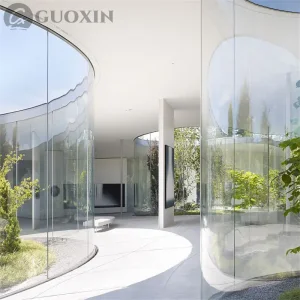
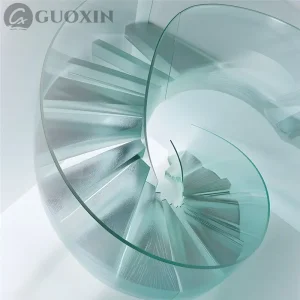
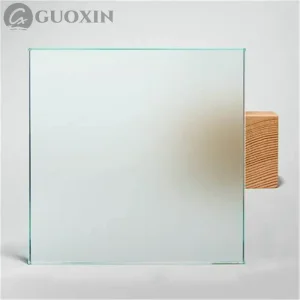
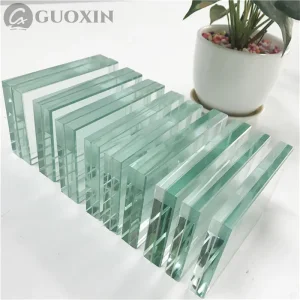
Explore our core catalog of advanced tempered, insulated, and laminated structural glass options custom-tailored for global architectural demands.
How microscopically thin metal coatings redefine modern building physics, HVAC load balancing, and energy conservation.
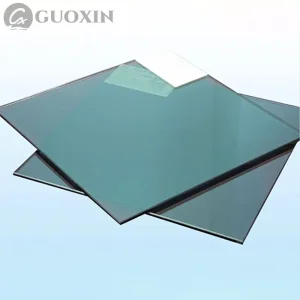
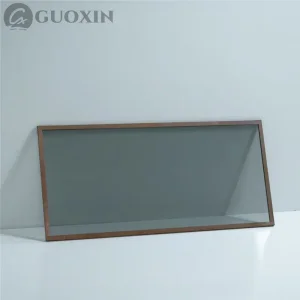
Low-Emissivity (Low-E) tempered glass represents a key breakthrough in architectural material engineering. At its core, Low-E glass features a microscopically thin, transparent coating—typically consisting of silver or other low-emissivity metal oxides—deposited directly onto the glass surface. This coating is engineered to reflect long-wave infrared radiation (heat energy) while allowing high-transmittance visible light to pass through. By managing the thermal energy of sunlight, it keeps indoor environments warm during winter and cool during summer.
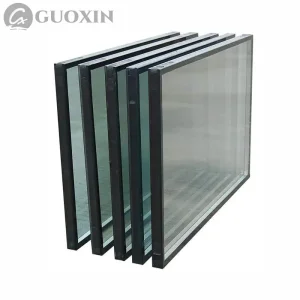
For B2B procurement managers and structural engineers, selecting the correct Low-E variant is vital. There are two primary production techniques for Low-E glass: Pyrolytic (Online) Low-E and Magnetron Sputtered Vacuum Deposition (Offline MSVD) Low-E. Online Low-E is applied to the float glass during its forming phase, creating a durable layer fused to the glass. It is robust and suitable for single glazing, but has higher emissivity. Offline MSVD Low-E is applied post-tempering in vacuum chambers, offering much lower emissivity values (higher energy efficiency) but requiring assembly into Insulated Glass Units (IGUs) to protect the silver layer from oxidation.
Decoupling "Cheap" from quality: Exploring how scale, industrial clusters, and tech optimization deliver cost-effective architectural glass.
In B2B sourcing, the term "cheap" does not mean low quality. Instead, it refers to cost efficiency achieved through advanced processes, local supply chains, and industrial scale. China's glass manufacturing centers, particularly in Jiangsu and surrounding regions, offer key advantages for global buyers:
Factories operating close to large raw material producers reduce regional freight costs. This integration allows for competitive pricing on tempered glass components.
By using modern tempering furnaces, robotic edge polishers, and automated cleanroom magnetron sputtering, Chinese manufacturers increase yield rates and lower production waste.
Established export factories test products to meet global standards, including SGCC (North America), CE EN12150 (Europe), and AS/NZS 2208 (Australia).
Jiangsu Guoxin Glass Co., Ltd. was founded in 2006 and has since grown into a leading enterprise in the glass industry, with a stable and successful track record spanning two decades. Our company has accumulated a wealth of experience in the research and development, production, and marketing of aluminum windows, fireproof Glass, laminated glass, and insulated glass. This expertise has allowed us to innovate and produce high-quality products that meet the diverse needs of our customers.
From the very beginning, we have embraced the management principles of "quality first, customer first, and credit-based." This philosophy has guided our operations and has been the cornerstone of our success. We are committed to delivering products of the highest quality and providing exceptional customer service. Our team works closely with clients to understand their specific requirements and to offer tailored solutions that exceed their expectations. We believe that building strong, long-lasting relationships with our customers is essential for our mutual growth and success.
Our team is composed of highly skilled professionals with a strong background in materials science and engineering. This technical expertise has been instrumental in our ability to develop a comprehensive range of high-end glass products. These products are not only aesthetically pleasing but also offer superior performance in terms of durability, energy efficiency, and safety. As a result, they have found widespread application in various sectors such as construction, where they enhance the structural integrity and thermal performance of buildings; in decoration, where they add elegance and sophistication to interior and exterior designs; and in safety protection, where they provide robust barriers against external threats.
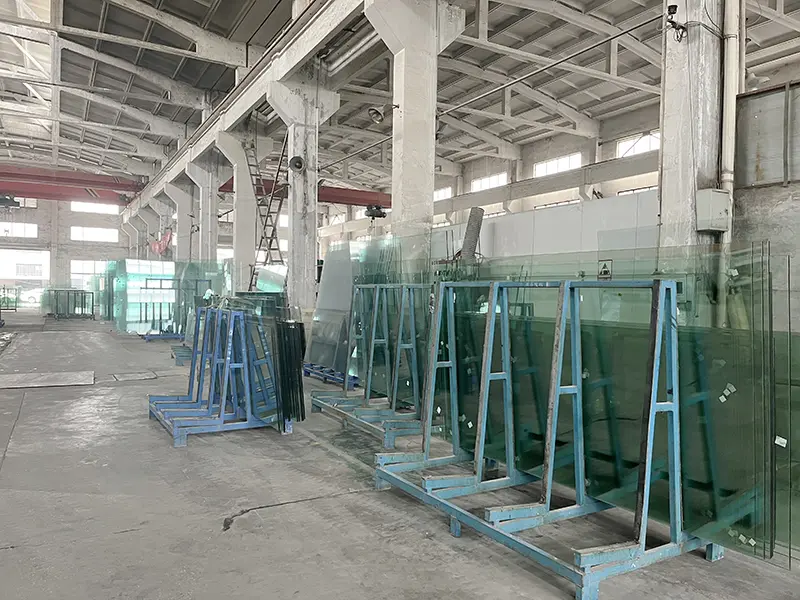
Our state-of-the-art production facility houses multiple advanced production lines, each equipped with cutting-edge technology. This allows us to produce a wide variety of high-quality glass doors and windows with remarkable precision and efficiency. From tempered glass that offers enhanced safety to energy-efficient insulating glass units, our products meet and exceed industry standards.
With 20 years of rich production and operation experience under our belt, we have mastered the art of crafting durable and aesthetically pleasing products. Our reputation has spread far and wide, not only across domestic markets but also reaching international shores. As a leading source manufacturer in China, we take pride in supplying top-notch glass doors and windows to customers around the globe.

How our Low-E glass solutions integrate into diverse environments, climates, and commercial typologies.
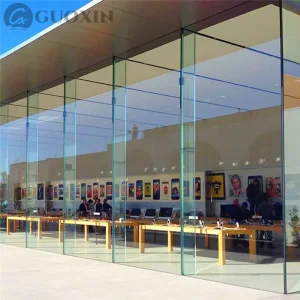
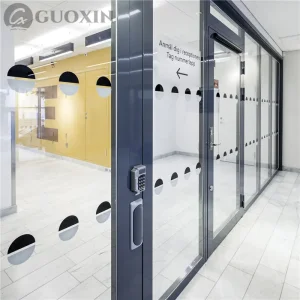
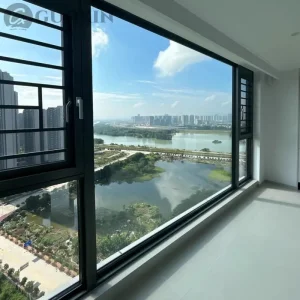
For modern glass skyscrapers, high solar radiation causes massive cooling loads. Double and triple silver offline Low-E glass blocks infrared radiation while admitting natural light, helping buildings target LEED and passive house energy certifications.
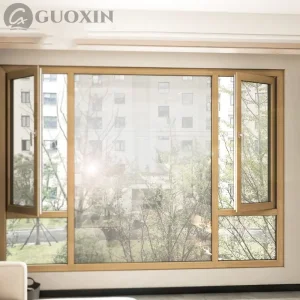
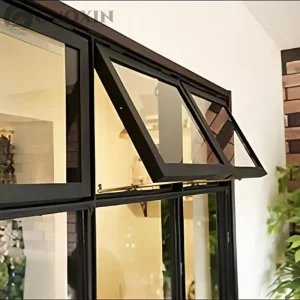
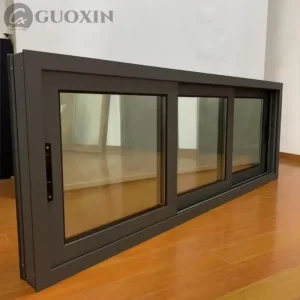
Combining comfort with style, our Low-E tempered glass is optimized for residential window systems (including awning and tilt-and-turn designs) to prevent interior fading of carpets and furniture by filtering out harmful ultraviolet (UV) rays.
In colder regions, Low-E coatings reflect internal furnace heat back into living spaces to minimize heating costs. In hot coastal zones, combining Low-E with SGP laminated substrates provides impact protection against hurricanes alongside thermal control.
Managing glass shipments requires specialized logistics and handling protocols to ensure damage-free arrival.
Procuring bulk glass imports involves complex logistics. To prevent glass breakage and moisture damage during transport, Jiangsu Guoxin Glass follows strict export packaging protocols:
In today's rapidly globalizing economy, we recognize the importance of international collaboration. Jiangsu Guoxin Glass Co., Ltd. is sincerely committed to partnering with enterprises from around the world. We are eager to explore new markets, share our knowledge and expertise, and learn from our partners. By working together, we aim to create innovative solutions and drive industry advancements that benefit all parties involved. We are confident that through these collaborations, we can achieve a win-win situation, fostering economic growth and sustainable development on a global scale.
Technical answers to help engineers, buyers, and project managers select the ideal glass configuration.
Discover more specialized safety, radiation shielding, and high-performance aluminum window systems designed for global projects.
 Guoxin Glass