 Guoxin Glass
1 / 5
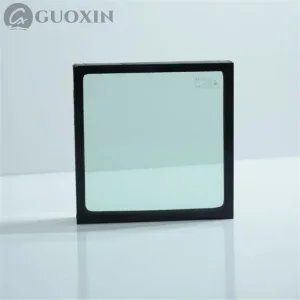
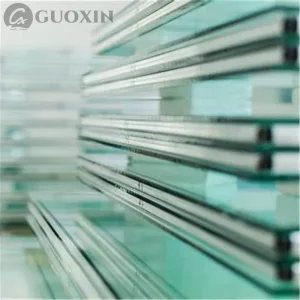
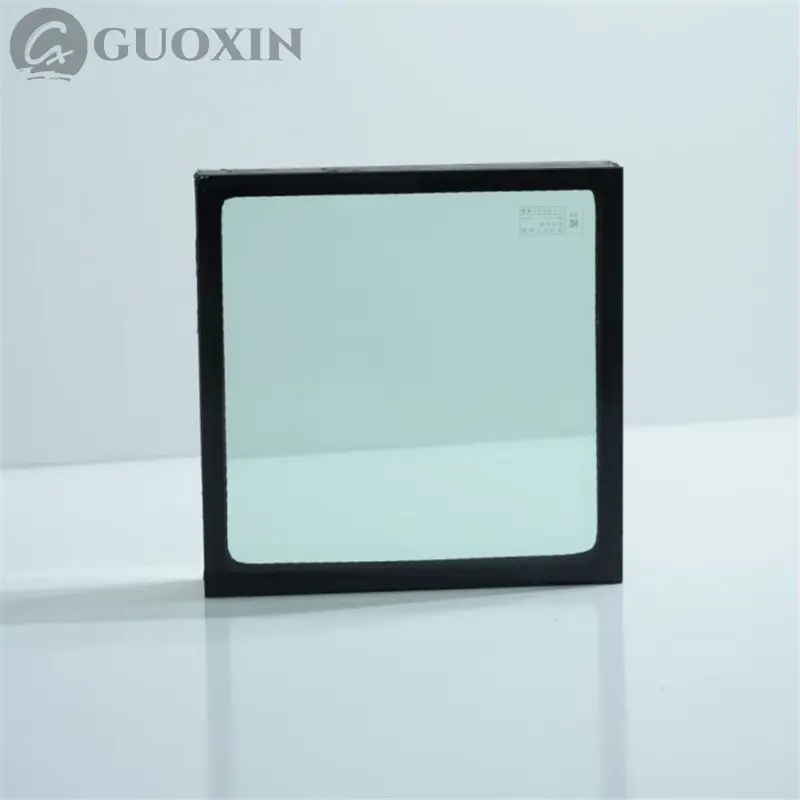
Fire resistance glass effectively controls smoke and fire spread, creating crucial evacuation time during emergencies. Its advanced composition provides reliable compartmentalization while maintaining high processing efficiency for optimal productivity in manufacturing and installation.
Compared to high borosilicate glass and fireproof composite alternatives, fire resistance glass offers significant cost savings without compromising protection. This budget-friendly solution makes fire safety accessible for various projects while meeting stringent safety standards.
Engineered to withstand diverse conditions, fire resistance glass performs reliably in extreme temperatures, humidity, and UV exposure. Its durable construction ensures long-term performance in all natural environments, from coastal areas to urban settings.
With identical thickness and weight to ordinary glass, fire resistance glass simplifies retrofitting and new construction. It uses standard installation methods, reducing labor costs and project timelines while delivering superior fire protection.
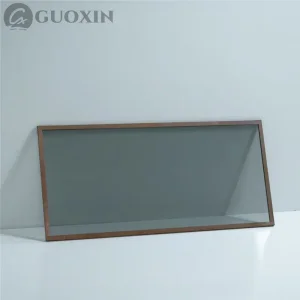
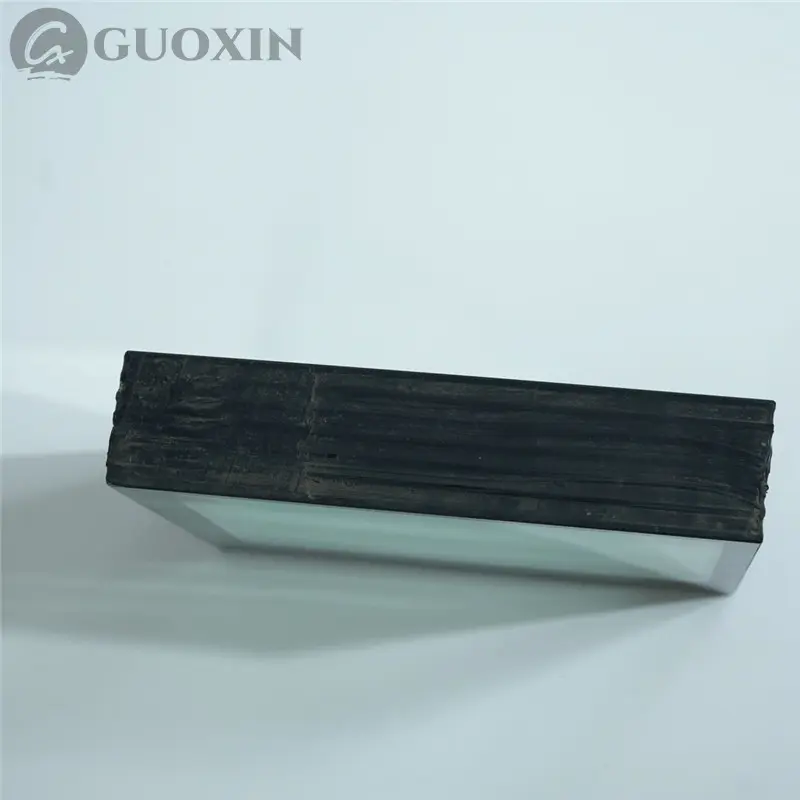
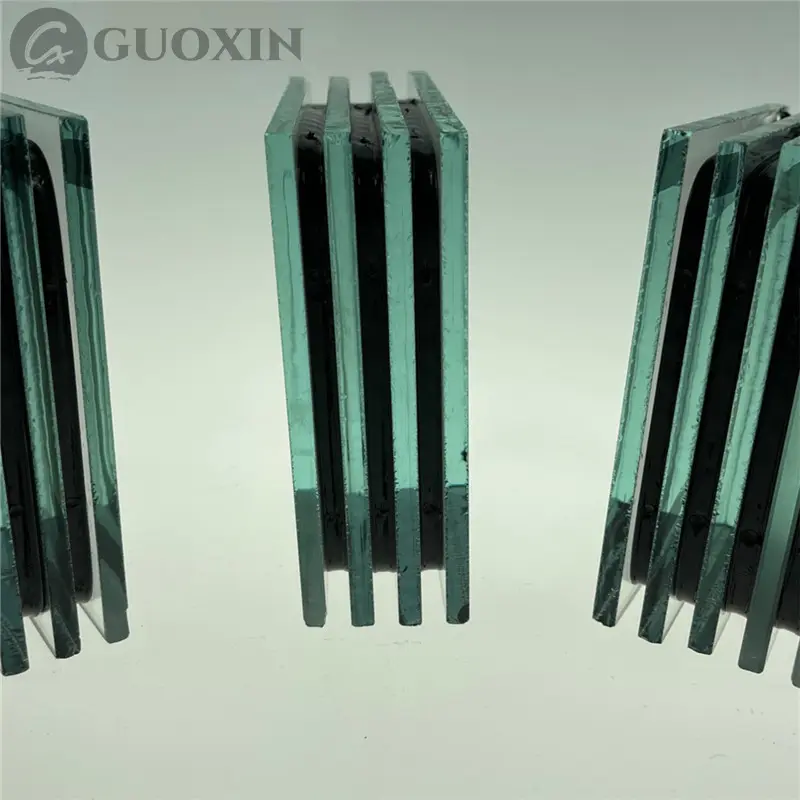
Fire resistance glass can be single layer tempered glass or compound laminated glass according to the structure. We provide customized fire glass with the following main options:
• Single-layer tempered glass: Thickness from 5 mm to 15 mm, fire resistance time 60 minutes.
• Compound laminated glass: Thickness from 16 mm to 65 mm, fire resistance time from 30 minutes to 180 minutes.
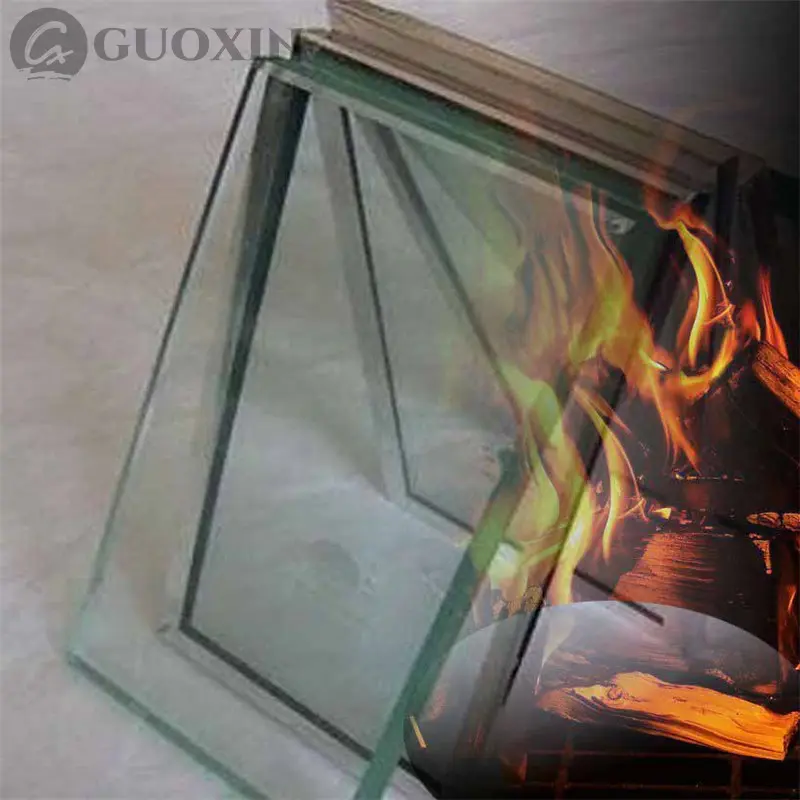

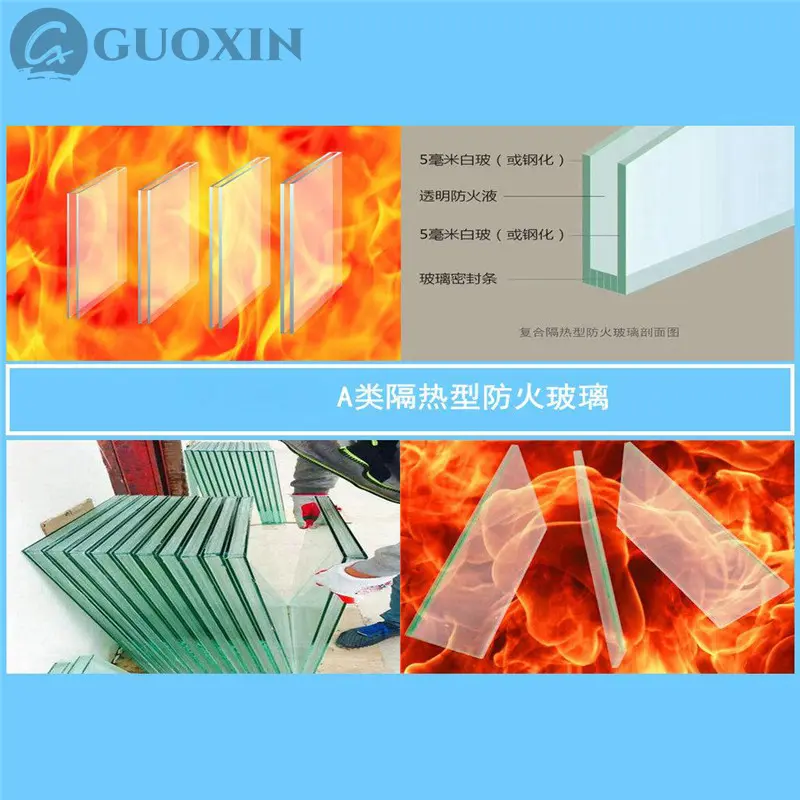
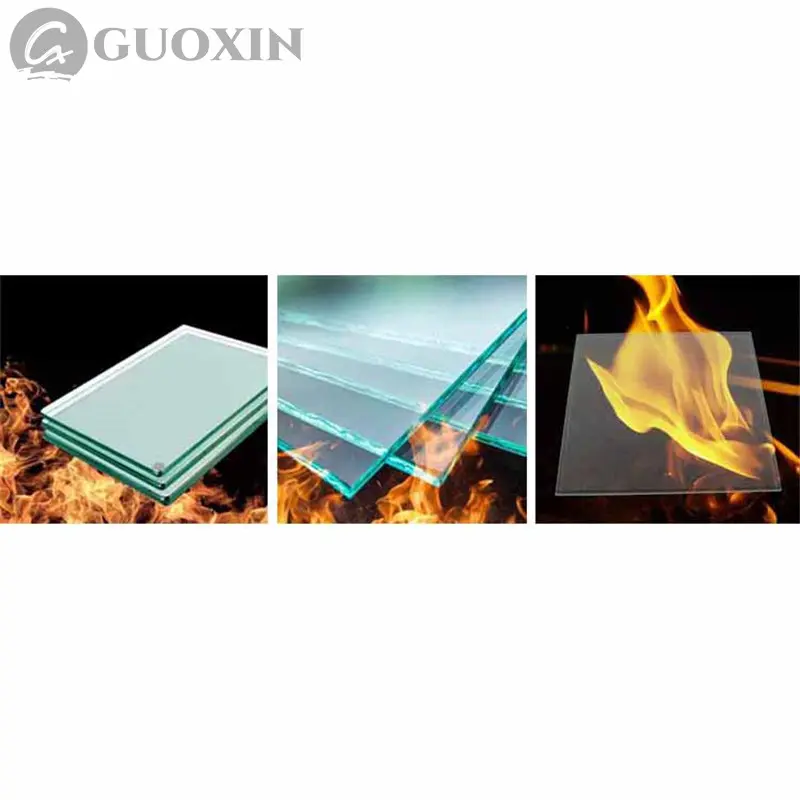
Fire resistance glass is a specially engineered glass designed to contain fire and prevent the spread of smoke and flames for a specific duration, allowing safe evacuation and protecting property.
Single-layer tempered fire glass is generally thinner (5-15mm) and offers around 60 minutes of protection. Compound laminated glass is thicker (up to 65mm) and can provide extended protection from 30 up to 180 minutes.
Yes, high-quality fire resistance glass is engineered with outstanding weather resistance, meaning it can withstand UV exposure, high humidity, and extreme temperature fluctuations without losing its integrity.
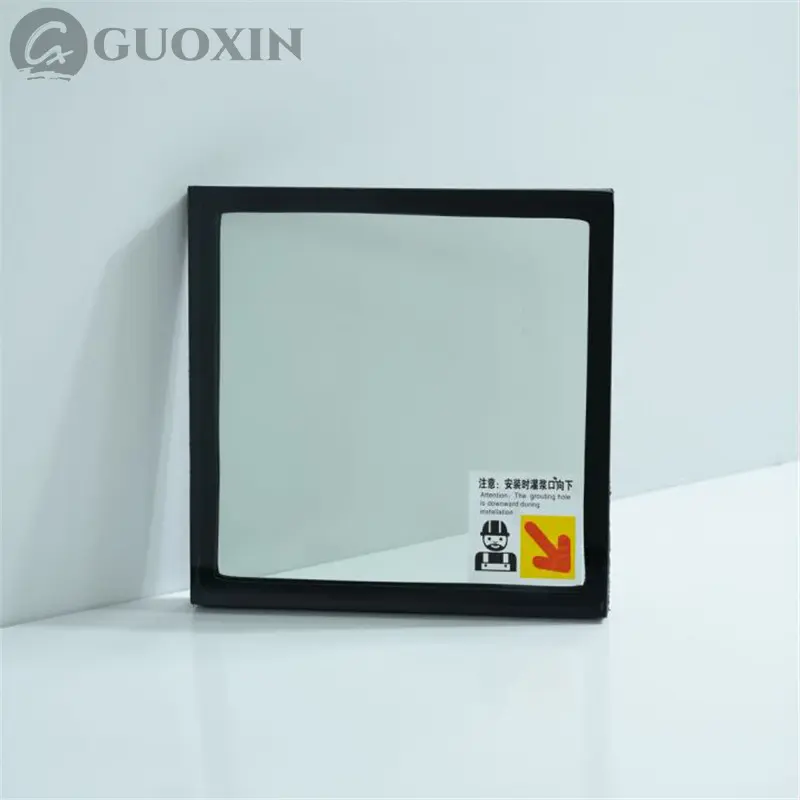
While fire resistance glass has the same weight and thickness as ordinary glass, it should be installed using fire-rated framing systems and glazing materials to ensure the entire assembly meets safety standards.
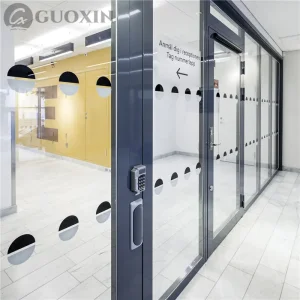
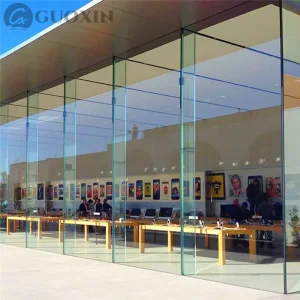
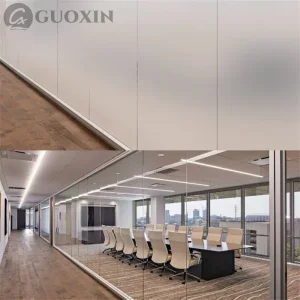
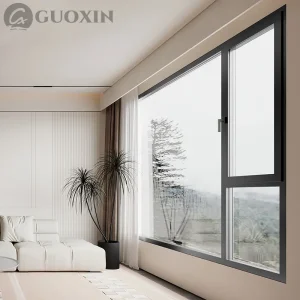
It is commonly used in fire-rated doors, windows, partitions, and stairwell enclosures in commercial buildings, hospitals, schools, and residential complexes where fire compartmentalization is required.
While it costs more than standard glass due to specialized manufacturing processes, it is a highly cost-effective safety solution compared to other high-borosilicate or premium fireproof materials.