Direct-from-factory source manufacturing utilizing automated line optimization for international delivery networks.
The global construction landscape is witnessing a structural shift in building envelope specifications. Modern architecture demands casement window and door systems that harmoniously reconcile thermal efficiency, wind load structural capabilities, and economic viability. Commercial procurement models are moving away from multi-tiered distribution channels in favor of vertical factory integration to optimize Total Cost of Ownership (TCO).
By bypassing mid-tier supply vectors and establishing direct manufacturing agreements with primary Chinese producers, international builders, developers, and trade contractors can mitigate up to 35% of localized logistics and fabrication premiums. This cost-efficiency enables the procurement of superior double and triple-glazed structural window assemblies at a tier-one price point, transforming the concept of "cheap" into high-value engineered efficiency.
True cost optimization in commercial fenestration does not rely on reducing wall thickness or utilizing non-virgin polymers. It is achieved through raw materials hedging, high-speed automated extrusion alignments, and integrated glass processing facilities operating under single-roof overhead matrices.
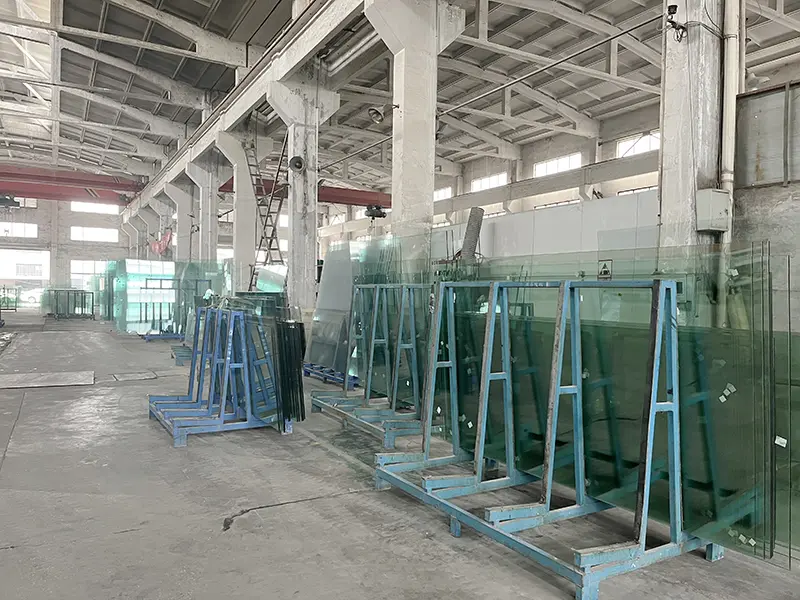
A twenty-year trajectory of technological innovation and structural engineering in advanced glass materials.
Our engineering division is led by senior materials scientists specializing in thin-film sputtering, polymer interlayers (SGP/PVB), and structural alloy optimization. This deep technical competence ensures that our glass systems deliver superior thermal insulation, wind-load capacity, and acoustic dampening across diverse architectural projects.
Rooted in our core management philosophy of "quality first, customer first, and credit-based," we implement multi-phase inspection protocols. Every run of tempered, laminated, or insulated glass undergoes laser-assisted flatness analysis, polariscope stress testing, and mechanical fatigue simulations to comply with ASTM and EN standards.
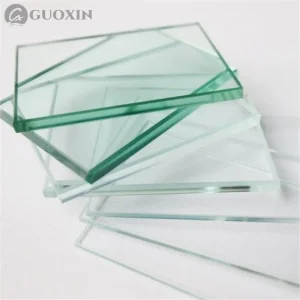
Our facility houses high-precision CNC glass cutting machines, automated double-edged polishing arrays, and gas-filled convection tempering lines. This modern infrastructure enables high-throughput production of custom structural units with minimal tolerances and low thermal stress variance.
A look at the thermal, mechanical, and glass technologies behind next-generation high-efficiency fenestration systems.
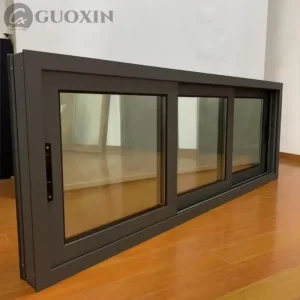
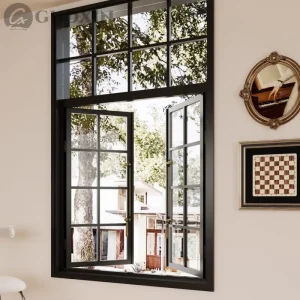
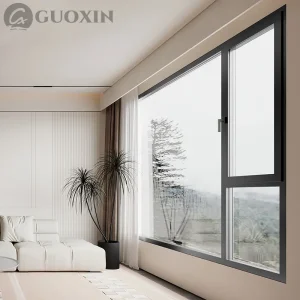
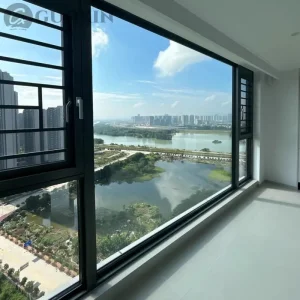
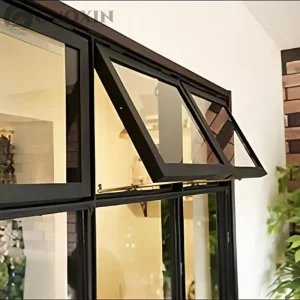
Aluminum casement window systems are engineered around multi-cavity thermal break designs. Our frames utilize glass fiber reinforced polyamide (PA66) insulation strips. This structure interrupts the thermal conduction pathway, reducing overall frame heat transfer and improving U-values down to 1.1 W/m²K, depending on the glass setup.
Our engineering roadmap includes implementing composite aero-gel thermal fills and ultra-slim profile designs. These profiles offer increased structural inertia while maximizing visible glass area to meet the visual and physical needs of modern green building certifications.
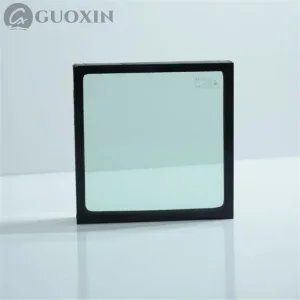
Our technical pipeline prioritizes the optimization of SentryGlas Plus (SGP) interlayers for high-wind hurricane zones, paired with triple-silver low-emissivity (Low-E) glass sputtered under high vacuum conditions. This yields high visible light transmission (VLT) while maintaining an exceptionally low Solar Heat Gain Coefficient (SHGC).
To assist architects and structural engineers in specifying the correct hardware, we maintain clear standards across our product families:
Navigating cross-border building code requirements requires clear documentation and verified compliance. Jiangsu Guoxin Glass Co., Ltd. works within international standard frameworks to ensure our casement windows, doors, and architectural glass products carry the appropriate regional testing certifications.
Whether meeting European CE standards, North American SGCC certifications, or Australian AS/NZS codes, our manufacturing processes are traceably documented from raw billet to finished crate. We use custom ocean-freight steel A-frame crating designed to withstand long voyages, reducing shipping stress and keeping on-site breakage rates near zero.
Our logistical tracking networks integrate with port customs systems to provide transparent transit timelines, allowing site managers to plan installations efficiently.
Jiangsu Guoxin Glass Co., Ltd. is committed to forming long-term relationships with developers, contractors, and glass distributors worldwide. We understand the tight schedules of modern building construction. We provide dedicated technical account management, complete engineering calculations, CAD shop drawing support, and custom sizing options to help our partners succeed in competitive markets.
Partner with Guoxin to bring reliable manufacturing, consistent quality, and efficient pricing to your project portfolio.
Answering key structural, compliance, and cost engineering questions for commercial project managers.
We achieve cost efficiency by combining glass processing and aluminum assembly under a single management system. This vertical integration cuts intermediate transport steps, minimizes raw materials waste, and optimizes extrusion and tempering setups. Our savings come from production efficiency, not material compromises.
Our products undergo testing to meet global building standards. Depending on the product line and requirements, our glass and window assemblies carry CE marks for Europe, SGCC/IGCC certifications for North America, and AS/NZS compliance marks for Oceania.
Standard production lead times range between 30 to 45 days after engineering drawings are approved. This timeline allows for precision profile extrusion, thermal break assembly, custom glass tempering/insulating, and heavy-duty ocean export crating.
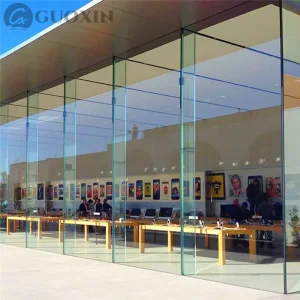
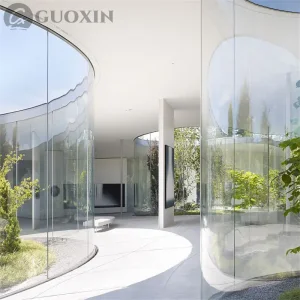
Yes. We possess dedicated cutting, polishing, and tempering machinery designed for jumbo-sized architectural glass as well as complex curved geometries. These can be integrated directly into our structural aluminum framing systems.
Complementary structural designs for high-integrity building envelope projects.
 Guoxin Glass